Exploring the Artistry and Utility of a Handcrafted Collection of Check Patterns
In the vast landscape of digital design resources, there is a distinct difference between algorithmic repetition and human artistry. While automated tools can generate geometric shapes with mathematical precision, they often lack the subtle imperfections that give a design soul and character. This is where a Collection of Check Patterns created through traditional methods becomes invaluable. By utilizing actual paints and brushes, designers can achieve a texture and depth that purely vector-based or software-generated patterns struggle to replicate. This article explores the unique value proposition of handcrafted seamless patterns, examining their technical specifications, aesthetic advantages, and practical applications across various creative industries.
The Distinctive Appeal of Hand-Painted Textures
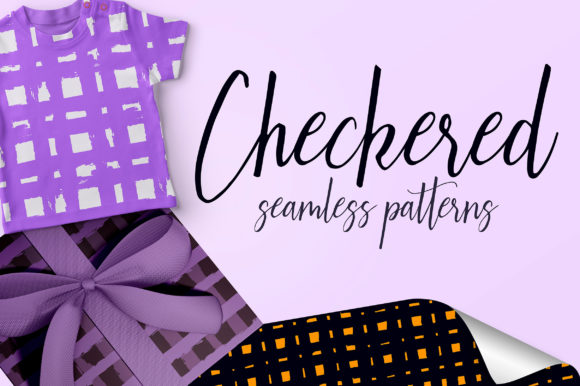
The primary advantage of using a collection derived from physical media lies in its organic quality. When an artist applies paint to a surface using brushes, the resulting strokes carry the weight of the hand, the viscosity of the pigment, and the texture of the canvas or paper. These micro-variations create a visual richness that engages the viewer on a subconscious level. Unlike flat, uniform digital fills, hand-painted checks possess a tactile quality that translates well into digital formats when scanned and processed correctly.
For branding professionals and graphic designers, this distinction is crucial. In a market saturated with sterile, corporate aesthetics, brands are increasingly seeking warmth and authenticity. A Collection of Check Patterns that features slight irregularities in line width and color saturation can evoke feelings of nostalgia, craftsmanship, and reliability. This is particularly effective for businesses in sectors such as artisanal food, boutique fashion, interior design, and educational materials, where trust and approachability are paramount.
Technical Specifications and Versatility
Understanding the technical backbone of these assets is essential for maximizing their utility. High-quality design resources must be versatile enough to withstand various production demands. The specific collection discussed here offers a robust suite of file formats, ensuring compatibility with almost any workflow. Users receive six seamless patterns, each available in EPS, JPEG, and PNG formats. The inclusion of PNG files with transparent backgrounds is particularly significant, as it allows designers to layer these patterns over photographs, solid colors, or other graphics without the hassle of manual masking or background removal.
Furthermore, the resolution of these assets is a critical factor in their professional applicability. With dimensions of 8000x8000 pixels, these patterns provide an enormous canvas for manipulation. This high resolution ensures that the patterns remain crisp and detailed even when scaled up for large-format printing, such as billboards, trade show banners, or wall murals. For web designers, the ability to scale down without losing fidelity means the patterns will look sharp on high-density retina displays. The seamless nature of the tiles means they can be repeated infinitely without visible joints, creating expansive backgrounds that feel continuous and natural.
File Format Breakdown
- EPS (Encapsulated PostScript): Ideal for vector-based editing and scaling without loss of quality, suitable for professional print workflows.
- JPEG: A standard compressed format perfect for quick previews, web use, and documents where transparency is not required.
- PNG with Transparent Background: Essential for compositing, allowing the pattern to sit naturally over other design elements.
Practical Applications Across Industries
The versatility of a handcrafted check pattern extends far beyond simple background fills. Its application can transform the user experience and visual identity of a project. For educators and content creators, these patterns can serve as engaging backdrops for presentation slides, worksheets, or educational apps. The organic feel helps reduce visual fatigue compared to stark, high-contrast digital grids, making learning materials more inviting.
In the realm of e-commerce and product packaging, these patterns offer a sophisticated way to differentiate products on crowded shelves. Imagine a coffee bag or a candle box wrapped in a subtle, hand-painted check design. It suggests care and attention to detail, qualities that consumers often associate with premium products. Similarly, in web design, using these patterns as section dividers or hero background overlays can add depth to a minimalist layout without overwhelming the primary content.
Fashion and textile designers also benefit significantly from such resources. While final fabric production requires specialized technical files, the initial concept phase often relies on high-resolution visualizations. An 8000x8000 pixel pattern provides enough detail to simulate how the fabric might look when draped or folded, aiding in the decision-making process before committing to expensive sampling.
Enhancing Workflow with Included Resources
A truly helpful design resource does not just provide the raw assets; it supports the user’s entire creative process. This collection includes a comprehensive "Read Me" file that serves as a guide to maintaining design consistency. One of the common challenges in using patterned assets is selecting complementary typography and mockups. By providing direct links to the fonts and mockups used in the promotional materials, the creator saves the designer hours of search time.
This level of curation demonstrates an understanding of the designer’s workflow. It allows for rapid prototyping. A designer can download the pattern, install the suggested font, and apply the design to the provided mockup to present a client-ready concept in minutes. This efficiency is invaluable for freelancers and agencies working under tight deadlines. It also ensures that the visual integrity of the original design intent is preserved, offering a benchmark for quality that users can emulate in their own customizations.
Considerations for Effective Implementation
While hand-painted patterns offer numerous benefits, their effective use requires a nuanced approach. Because these patterns have texture and visual weight, they can easily clash with busy foreground elements. Designers should prioritize contrast and hierarchy. If the check pattern is intricate, the text or primary imagery placed over it should be bold and clear. Utilizing the PNG versions with transparency allows for opacity adjustments, enabling the pattern to fade into the background subtly rather than competing for attention.
Color theory also plays a pivotal role. Hand-painted checks often feature nuanced color blends. When integrating these into a brand palette, it is advisable to sample colors directly from the pattern to create cohesive accent colors for buttons, headers, or icons. This creates a harmonious visual language that ties the entire project together. Additionally, because the patterns are seamless, designers should test the tiling behavior at different scales to ensure the repetition does not create unintended visual artifacts or distracting rhythms.
The Role of Authenticity in Modern Design Trends
We are currently witnessing a shift away from the ultra-polished, synthetic aesthetics that dominated the early digital era. Consumers and clients alike are gravitating towards designs that feel human-centric. This trend, often referred to as "digital craft," values the evidence of the maker’s hand. A Collection of Check Patterns produced with paints and brushes fits squarely into this movement. It bridges the gap between traditional artistry and modern digital convenience.
For researchers and students of design, studying these patterns offers insight into how traditional techniques can be adapted for digital mediums. It highlights the importance of texture in visual communication and challenges the notion that digital design must be flawless to be effective. Instead, it suggests that imperfection can be a powerful tool for connection and engagement.
Maximizing Value for Diverse Users
Whether you are a hobbyist creating a personal blog, a business owner updating your packaging, or a professional designer working on a major campaign, the utility of high-resolution, handcrafted patterns remains consistent. They provide a foundation of quality that elevates the final output. The inclusion of multiple file formats ensures that no matter the technical constraint, there is a suitable version available. The high resolution guarantees longevity, meaning these assets can be reused across different projects and media types for years to come.
By choosing resources that prioritize artistic integrity and technical robustness, creators invest in the overall quality of their work. The time saved by having pre-made, seamless, and well-documented assets allows more focus on strategy, messaging, and innovation. In a competitive creative landscape, such efficiencies combined with distinctive aesthetics can make a significant difference in the impact and success of a design project.
Ultimately, the value of this collection lies not just in the files themselves, but in the possibilities they unlock. They invite experimentation, encourage a blend of traditional and digital techniques, and provide a tangible link to the human element in design. As we continue to navigate an increasingly digital world, the demand for authentic, handcrafted visual elements is likely to grow, making such resources an essential part of any serious designer’s toolkit.