Fantasy Map Creator: Turning Imaginary Worlds into Tangible Experiences
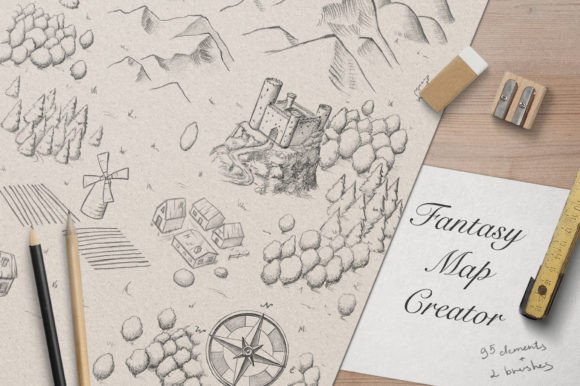
Have you ever dreamt about getting a mystery fantasy map and going on a treasure hunt? Well, me too. And this project is made to make those dreams come true. At its core, Fantasy Map Creator is more than just a digital drawing tool; it is a gateway to immersive storytelling and experiential design. Whether you are a dungeon master planning the next campaign or a business owner looking to add whimsy to your storefront, this tool bridges the gap between abstract imagination and physical reality.
The concept is simple yet profoundly effective: use digital assets to craft a path for your guests to your home, castle, town, village, event, and even a wedding by putting remarkable places and fantasy creatures on the track. But the utility extends far beyond tabletop gaming. It is about creating an atmosphere, setting a tone, and guiding people through a narrative before they even step foot in the door.
Transforming Events with Narrative Navigation
One of the most compelling uses for these maps is in event planning. Imagine sending out invitations for a birthday party or a corporate retreat that include a custom-drawn map leading to the venue. Instead of a standard Google Maps link, guests receive a parchment-style guide marked with "The Dragon’s Lair" (the main hall) or "The Potion Station" (the bar). This small touch transforms a mundane commute into the beginning of an adventure.
For weddings, the potential is even greater. Couples can design a map of their venue, labeling different areas with romantic or mythical names. The ceremony site might be "The Temple of Vows," while the reception area becomes "The Feast Hall." By placing fantasy creatures or symbolic landmarks along the path, you create a cohesive theme that permeates every aspect of the day. It serves as both a practical guide and a keepsake that guests will want to frame long after the cake has been eaten.
Elevating Retail and Hospitality Spaces
Beyond private events, Fantasy Map Creator offers unique opportunities for businesses, particularly those in the hospitality and retail sectors. If you run a fantasy-themed cafe, a board game shop, or a mystery shack attraction, your interior decoration plays a crucial role in customer retention and social media engagement. A large, detailed map on the wall does more than fill space; it invites inspection and conversation.
Consider using these designs for wrapping paper or menu backgrounds. All patterns provided in such tools are typically seamless, meaning you can tile them infinitely without visible breaks. This is invaluable for printing large-scale decor or custom packaging. When you have a colourful and textured background, you can change a blending mode to "multiply" to ensure that text remains legible while the artistic elements shine through. This technical flexibility allows for professional-grade results without needing a degree in graphic design.
The Creative Process: Tools and Techniques
Creating these maps is an intuitive process, but knowing which tools to leverage can significantly enhance the final output. The items combine perfectly well, allowing for layering of textures, icons, and labels. Just use transformation tools to change the size of elements to fit your composition. If you make a mistake or want to clear clutter, the eraser tool is there to help you get rid of unnecessary lines, keeping the aesthetic clean and purposeful.
For those who want finer control over the geography of their world, the inclusion of specialized brushes is a game-changer. In an .abr file, you will often find two distinct brushes: one for the sea line and another for the path line. These are not just standard strokes; they are textured to mimic ink on aged paper or charcoal on parchment. I highly recommend using a pen tool to create smooth and nice lines, especially when drawing coastlines or winding roads. The pressure sensitivity of a stylus paired with these brushes allows for organic, hand-drawn feels that mouse clicks simply cannot replicate.
Practical Considerations for Users
Before diving in, it is important to consider the end format of your map. Are you printing it on high-gloss photo paper for a framed gift, or are you exporting it for digital use on a website? Most creators offer exports in PNG and JPEG formats. PNGs are ideal if you need transparency for overlaying your map onto other designs, such as invitation templates. JPEGs are better for full-color, high-resolution prints where file size might be a concern.
Another consideration is the level of detail. While it is tempting to fill every inch of the map with monsters and mountains, remember the primary function: navigation. If the map is meant to guide guests to your home or a specific event location, clarity is key. Use the fantasy elements as accents rather than obstacles. A dragon icon can mark a parking lot, but it shouldn’t obscure the street names or directional arrows.
Who Benefits Most from Fantasy Map Creation?
- Tabletop Gamers: Dungeon Masters can create handouts that feel authentic to the game world, enhancing immersion for players.
- Event Planners: Professionals can offer unique, themed experiences for clients looking for something beyond the ordinary.
- Small Business Owners: Cafe and shop owners can differentiate their brand with custom, thematic decor and packaging.
- Teachers and Educators: History or literature teachers can use these maps to visualize settings from books or historical periods, making learning interactive.
- Hobbyists and Crafters: Anyone who enjoys scrapbooking, journaling, or DIY projects can use these assets to add a magical touch to their creations.
Limitations and Best Practices
While Fantasy Map Creator is powerful, it is not a replacement for geographic accuracy if that is your goal. These are stylized representations. If you are using the map for actual navigation in a complex urban environment, ensure that the fantastical elements do not compromise the readability of critical directions. Always test print a small section first to check color fidelity, especially if you are using dark, textured backgrounds. The "multiply" blending mode works wonders digitally, but printers may interpret layers differently, so adjustments may be necessary.
Furthermore, respect the licensing terms of the assets you use. Many creators offer free resources for personal use but require attribution or a license for commercial applications. If you are using the map for a business, such as a mystery shack or a paid event, ensure you have the right to use the brushes and patterns commercially.
Ultimately, the value of this tool lies in its ability to evoke emotion. A map is not just a set of coordinates; it is a promise of discovery. Whether you are guiding friends to a dinner party or customers to a hidden gem of a shop, a well-crafted fantasy map sets the stage for memory-making. Good luck with your creations, and may your paths be ever intriguing.