Marine Ropes: A Practical Guide to Nautical Textures and Vector Assets
For designers, illustrators, and maritime enthusiasts, the visual language of the sea is defined by specific textures and forms. Among these, Marine Ropes stand out as a fundamental element that conveys durability, tradition, and technical precision. Whether you are working on a branding project for a coastal business, designing packaging for outdoor gear, or creating educational materials about sailing, the accurate representation of rope is essential. This article explores the utility of high-quality vector assets featuring marine ropes, braided strings, and rope brushes, analyzing how these digital tools can enhance creative workflows while maintaining authenticity.
The Visual Importance of Authentic Maritime Textures
In graphic design, texture adds depth and realism. However, not all textures are created equal. Generic rope illustrations often lack the structural integrity that makes nautical imagery believable. Marine Ropes are engineered for specific loads and conditions, and their visual appearance reflects this engineering. A twisted hemp line looks and behaves differently from a braided synthetic halyard. When these distinctions are ignored in design, the final product can feel amateurish or disconnected from its subject matter.
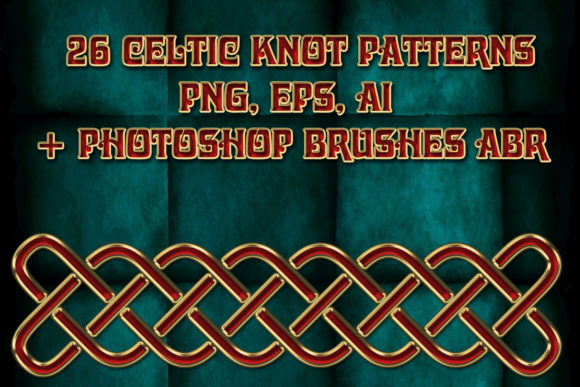
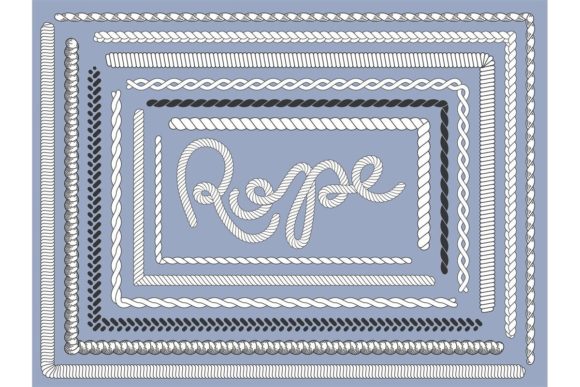
High-quality vector sets address this issue by providing detailed representations of various rope types. These assets typically include braided string plaits, texture knitting patterns, and isolated knot symbols. By using resources that accurately depict the twist, curve, and weave of real sailing knots, creators can ensure their work resonates with audiences who value authenticity. This attention to detail is particularly crucial for professionals in the marine industry, where equipment reliability is paramount, and the visual identity must reflect that same standard of excellence.
Key Characteristics of Professional Rope Vector Sets
When evaluating a digital asset pack labeled as Marine Ropes, several key characteristics determine its value and usability. The most significant feature is the format. A professional-grade product file usually comes as a single vector EPS10 file. This format is widely compatible with major design software, including Adobe Illustrator, CorelDRAW, and Inkscape. The vector nature of the file ensures that every line remains crisp and scalable, whether you are printing a small business card or a large banner.
- Scalability: Vector graphics can be resized without losing quality, making them ideal for diverse applications.
- Editability: Users can separate elements, change colors, or adjust line weights to fit specific brand guidelines.
- Variety: A comprehensive set includes different rope structures, such as three-strand twists, eight-plait braids, and complex decorative knots.
Another critical aspect is the inclusion of rope brushes. Unlike static images, brush tools allow designers to paint rope paths dynamically. This feature is invaluable for creating custom layouts where rope needs to follow a specific curve or frame text. The ability to manipulate the path while maintaining the texture’s consistency saves significant time compared to manually drawing each strand.
Practical Applications for Creators and Businesses
The versatility of Marine Ropes assets extends beyond obvious nautical themes. While sailboats and yachts are the primary subjects, these textures are increasingly used in lifestyle branding, luxury packaging, and heritage marketing. For example, a coffee roaster aiming to evoke a sense of tradition might use a braided rope border on their bag design. Similarly, a wedding invitation suite with a coastal theme can benefit from delicate knot symbols that suggest unity and connection.
Freelancers and small business owners often face tight deadlines and limited budgets. Purchasing a pre-made vector set allows them to bypass the time-consuming process of creating realistic rope textures from scratch. Drawing a convincing bowline or clove hitch requires an understanding of topology and shading that many generalist designers may not possess. By leveraging specialized assets, they can maintain high production values without needing niche technical skills.
Educators and publishers also find value in these resources. Instructional materials about sailing, knot-tying, or marine history require clear, accurate diagrams. Isolated vector symbols provide a clean way to illustrate steps in a knot-tying guide, ensuring that learners can easily distinguish between overlapping strands. The clarity of vector lines helps prevent confusion, which is critical when teaching safety-related skills.
Usability and Workflow Integration
Integrating Marine Ropes into a design workflow is straightforward for anyone familiar with vector editing software. The typical process involves opening the EPS10 file and ungrouping the elements. This step allows users to select individual knots, rope segments, or brush definitions. For those using Adobe Illustrator, the rope brushes can be added to the brush library for immediate use. This integration supports a non-destructive workflow, meaning changes can be made at any stage without compromising the original asset quality.
One of the strengths of well-constructed vector sets is their layer organization. Professional files often group related elements, such as separating the shadow layers from the main rope structure. This organization enables designers to tweak lighting effects or adjust contrast to match their overall composition. It also facilitates the creation of monochrome versions for single-color printing processes, which are common in screen printing or embossing.
However, users should be aware of the learning curve associated with advanced features. While basic placement is simple, mastering rope brushes may require experimentation. Adjusting the spacing, angle, and pressure sensitivity of the brush can yield different results. Beginners might need to spend some time testing settings to achieve a natural look. Despite this initial investment of time, the long-term efficiency gains are substantial.
Evaluating Quality and Long-Term Value
Not all vector packs offer the same level of quality. When assessing a Marine Ropes product, look for clean anchor points and smooth curves. Poorly constructed vectors may have unnecessary nodes that make editing difficult and result in jagged lines when scaled. High-quality assets will demonstrate consistent line weights and logical construction that mirrors real-world physics.
The long-term value of these assets lies in their reusability. Unlike raster images, which may become pixelated or outdated, vector graphics remain relevant across design trends. A classic sailor’s knot or a simple braided pattern does not go out of style. Therefore, investing in a comprehensive set provides a permanent resource for future projects. For agencies and frequent creators, this reduces the need to purchase new assets for every nautical-themed job, offering a better return on investment.
Additionally, the flexibility of vector files supports adaptation across media. The same rope element can be used on a website, a mobile app interface, a printed brochure, or a vehicle wrap. This cross-platform compatibility ensures brand consistency, which is vital for businesses building a recognizable identity. The ability to edit colors also means the assets can align with changing brand palettes without requiring new purchases.
Limitations and Considerations
While Marine Ropes vector sets are powerful tools, they are not a substitute for understanding the subject matter. Designers should still exercise judgment when selecting knots for specific contexts. Using a decorative knot where a functional load-bearing knot is expected might confuse knowledgeable viewers. It is important to match the visual element with the intended message and audience expectations.
Furthermore, while vector files are versatile, they may not be suitable for photorealistic compositing without additional work. If a project requires a hyper-realistic photograph of a wet, weathered rope on a deck, a vector illustration might appear too clean or stylized. In such cases, these assets serve better as graphical accents rather than primary photographic replacements. Understanding the stylistic boundaries of vector art helps in setting appropriate client expectations.
Conclusion
Incorporating Marine Ropes and related nautical textures into design projects offers a blend of aesthetic appeal and functional utility. For professionals seeking efficiency and authenticity, high-quality vector assets provide a reliable solution. They bridge the gap between technical accuracy and creative expression, allowing designers to convey strength, tradition, and maritime heritage effectively. By choosing well-structured EPS10 files with editable elements and versatile brushes, creators can enhance their workflow and deliver polished, professional results. Whether for commercial branding, educational content, or personal artistic exploration, these resources remain a valuable addition to any digital toolkit.