Why Silky Fluid Gradient Texture Backgrounds Are the Secret Weapon for Modern Designers
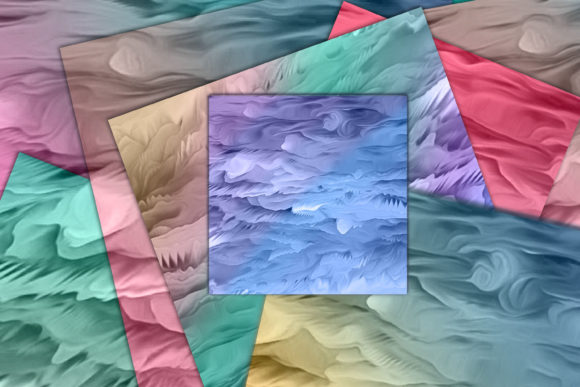
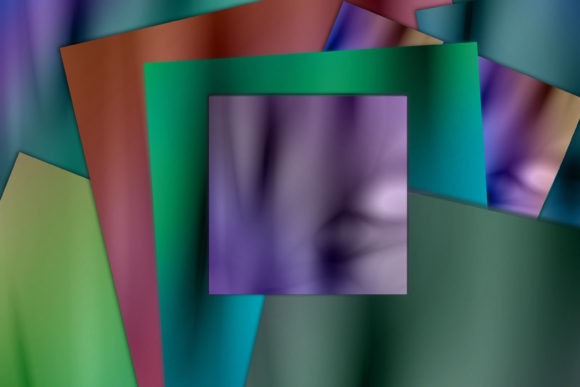
There is a specific moment in every creative project where the foundation matters more than the decoration. You might have the perfect typography, a clever layout, or a stunning photograph, but if the backdrop feels flat or sterile, the entire composition loses its depth. This is exactly where Silky Fluid Gradient Texture Backgrounds step in to change the game. These are not just simple color fills; they are complex, high-resolution digital assets created with a special collection of Procreate brushes that mimic the organic flow of liquid pigment.
For scrapbookers, photographers, and graphic designers, the difference between a good design and a great one often lies in the texture. When you use backgrounds that possess extreme quality and detail, you give your eyes something to linger on. The silky, fluid nature of these gradients provides a sense of movement and softness that rigid geometric patterns simply cannot achieve. Whether you are designing a brand identity or creating a personal memory book, understanding how to leverage these textures can elevate your work from amateur to professional.
The Power of High-Resolution Digital Textures
One of the most common frustrations for creators is finding digital assets that look beautiful on a screen but fail when printed. Pixelation, blurriness, and color banding can ruin hours of work. The Silky Fluid Gradient Texture Backgrounds collection addresses this by providing files at 3000 x 3000 pixels at 300 DPI. This specification is crucial because it ensures that the intricate details of the brushstrokes remain crisp, whether viewed on a retina display or printed on heavy cardstock.
When you work with 300 DPI (dots per inch) files, you are working with print-ready quality. This means you are not limited to digital screens. You can confidently use these images for physical products without worrying about degradation. The vibrant colors and smooth transitions inherent in fluid gradients are particularly demanding on file quality; low-resolution files often show ugly stepping between colors. With these high-quality JPGs, the gradient remains smooth, preserving that "silky" aesthetic that gives the collection its name.
Real-World Applications for Scrapbookers and Photographers
Scrapbooking has evolved far beyond sticking photos into an album. It is now a form of artistic storytelling. For scrapbookers, these textures serve as the perfect base for printable scrapbook paper. Instead of buying expensive, pre-printed papers that may not match your color scheme, you can print these backgrounds at home or through a local print shop. The fluid nature of the gradients means they rarely clash with photos. Unlike busy patterns that compete for attention, a soft, swirling gradient pushes the photograph forward, acting as a supportive frame rather than a distraction.
Photographers also benefit immensely from these assets. In portrait photography, especially for headshots or senior portraits, clients often want a background that is interesting but not distracting. By compositing a subject onto a Silky Fluid Gradient Texture Background, photographers can create studio-quality looks without needing complex lighting setups or physical backdrops. The textures add a layer of sophistication and mood—cool blues for a calm, professional vibe, or warm oranges for an energetic, approachable feel.
Elevating Commercial Products and Merchandise
For entrepreneurs and small business owners, product differentiation is key. Using unique digital backgrounds can transform generic merchandise into bespoke items. Consider the potential for t-shirt designs. A t-shirt with a subtle, silky fluid gradient printed via direct-to-garment technology looks modern and high-end. It appeals to customers who prefer minimalist aesthetics over loud graphics.
Similarly, these textures are ideal for creating coffee mugs and tote bags. The continuous flow of the gradient wraps beautifully around cylindrical objects like mugs, creating a seamless visual experience. For tote bags, the large surface area allows the full 3000 x 3000 resolution to shine, showcasing the detailed brushwork. Even smaller items like car decals and laptop decals benefit from these designs. A laptop skin with a fluid gradient can personalize a standard device, making it instantly recognizable in a crowded office or coffee shop.
Home Decor and Personalized Gifts
The versatility of these backgrounds extends into interior design. Wall decor such as framed prints or canvas wraps can feature these abstract fluid art pieces. Because the designs are abstract, they fit into various decor styles, from modern minimalist to bohemian chic. You can print them as framed signs with inspirational quotes overlaid, using the gradient to highlight the text. The soft edges of the fluid shapes draw the eye toward the center, where your message resides.
Furthermore, these images make excellent greeting cards and banners. For a birthday or anniversary card, the vibrant wrapping paper effect mentioned in the collection’s potential uses can be scaled down to create a luxurious card stock feel. When users save these images as desktop backgrounds or phone backgrounds, they bring a touch of calm and creativity to their daily digital interactions. A clutter-free, aesthetically pleasing screen can actually reduce cognitive load and improve focus.
Digital Design and Web Integration
In the digital realm, website design and Procreate backgrounds are two areas where these textures excel. Web designers often struggle to find background images that are lightweight enough for fast loading but detailed enough to look premium. While the source files are high resolution, they can be optimized for web use, providing a unique alternative to the flat colors that dominate many sites. Using a fluid gradient as a hero section background can guide user attention and create a dynamic first impression.
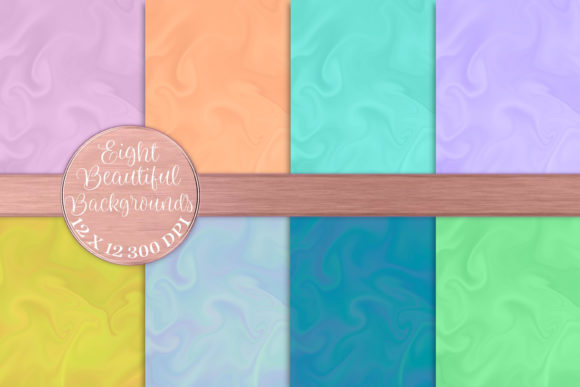
For digital artists using Procreate, having a library of high-quality starting points is invaluable. Instead of spending hours blending colors manually, you can import one of the eight provided JPGs as a base layer. This allows you to focus on adding digital design elements, illustrations, or typography on top. The underlying texture adds depth to your digital painting, preventing it from looking too "clean" or artificial.
What to Consider Before Using Fluid Gradients
While Silky Fluid Gradient Texture Backgrounds are versatile, successful implementation requires thoughtful consideration. First, consider contrast. Because these backgrounds are colorful and dynamic, any text or foreground elements must have sufficient contrast to remain readable. White or dark solid text usually works best, depending on the dominant tones of the gradient. Avoid placing busy patterns or detailed illustrations directly on top of the most complex parts of the gradient; instead, use negative space within the fluid shapes to house your main content.
Second, think about color psychology. The mood of your project should align with the colors in the texture. Cool tones like blues and greens evoke tranquility and trust, making them suitable for healthcare, finance, or wellness brands. Warm tones like reds, oranges, and yellows stimulate energy and appetite, ideal for food industries or fitness brands. Since the collection offers eight different JPGs, you likely have a range of color palettes to choose from. Select the one that reinforces the emotional message you wish to convey.
Finally, respect the licensing and intended use. These files are provided for personal and commercial creative projects, such as creating physical products or digital designs. However, always check specific license terms if you are reselling the digital file itself. The value here lies in your creation—the mug, the shirt, the scrapbook page—not in redistributing the raw background image. By adding your own unique design elements, you transform a texture into a proprietary product.
In conclusion, Silky Fluid Gradient Texture Backgrounds offer a practical, high-quality solution for a wide array of creative needs. From the tactile satisfaction of printed scrapbook paper to the sleek professionalism of a website header, these textures bridge the gap between digital convenience and artistic depth. By understanding where and how to apply them, creators can save time, enhance visual appeal, and produce work that resonates with their audience on a deeper, more sensory level.